What Is Fertility Preservation?
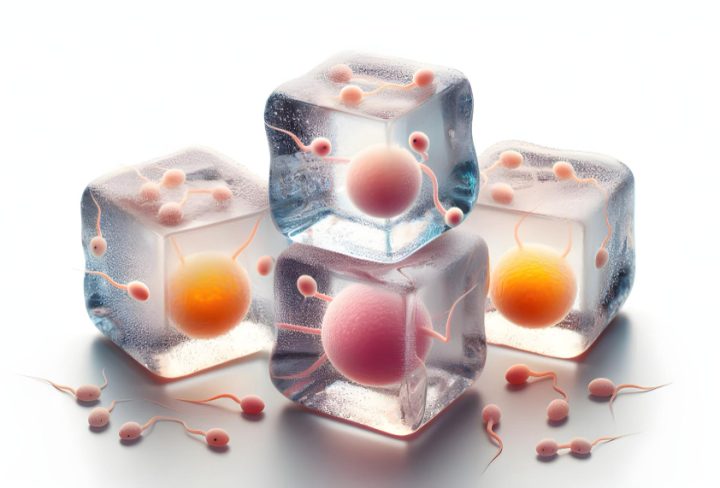
Fertility preservation means saving eggs, sperm, or reproductive tissue for future use. Many people want to have children later in life. For this reason, fertility preservation options are growing in popularity. You may hear about egg freezing, sperm banking, or embryo freezing. These methods help protect your ability to have a baby in the future. According to the CDC, more people are choosing these options each year.
Who Should Consider Fertility Preservation?
Anyone who may face fertility loss can think about fertility preservation. For example, cancer patients often need treatment that can harm fertility. In addition, people with certain genetic conditions may want to preserve their fertility. Some may simply wish to delay having children for personal or career reasons. Here are some groups who might benefit:
Common Methods and Procedures
There are several ways to preserve fertility. Each method has its own steps and benefits. Let’s look at the most common options:
For cancer patients, these fertility preservation options can be started quickly before treatment begins. The American Society for Reproductive Medicine supports these methods as safe and effective.
Benefits and Potential Risks
Fertility preservation offers many benefits. First, it gives hope to people facing medical treatments that may harm fertility. Also, it allows more control over family planning. However, there are some risks to consider. For example, egg or embryo freezing may involve hormone treatments. These can cause mild side effects like bloating or mood changes. In rare cases, there may be risks from anesthesia or surgery. Sperm banking is usually low risk. Still, not all preserved eggs, sperm, or embryos will lead to a pregnancy. It is important to talk with a fertility specialist about your chances and risks.
How to Prepare for Fertility Preservation
Preparation is key for a smooth process. First, schedule a visit with a fertility specialist. They will review your medical history and explain your options. Next, you may need blood tests or an ultrasound. For women, hormone shots may be needed to help the ovaries produce more eggs. Men may need to provide a sperm sample. In some cases, you may need to stop certain medicines before the procedure. Always follow your doctor’s advice for the best results.
What to Expect During and After the Process
The process depends on the method you choose. For egg or embryo freezing, you will take hormone shots for about two weeks. Then, doctors collect eggs in a short procedure. You may feel mild discomfort or bloating. For sperm banking, the process is quick and simple. Ovarian tissue preservation is done with minor surgery. After the procedure, your eggs, sperm, or tissue are frozen and stored safely. You can use them when you are ready to start a family. Most people recover quickly and return to normal activities within a day or two.
Lifestyle Tips and Guidance
Healthy habits can support your fertility. For example, eat a balanced diet and exercise regularly. Avoid smoking and limit alcohol. Also, manage stress with relaxation techniques. If you have a medical condition, follow your treatment plan closely. Regular check-ups with your doctor can help spot any changes early. Remember, a healthy lifestyle can improve your chances of success with fertility preservation.
Prevention and Proactive Steps
Taking action early can make a big difference. If you know you may face fertility risks, talk to your doctor as soon as possible. Early planning gives you more options. For example, cancer patients should discuss fertility preservation before starting treatment. Even if you are not sure about having children, learning about your choices can help you make informed decisions. The World Health Organization recommends early counseling for anyone at risk of fertility loss.
Conclusion
Fertility preservation offers hope and options for many people. Whether you are facing medical treatment or planning for the future, there are safe and effective ways to protect your fertility. Consult a fertility specialist for personalized advice on fertility preservation.