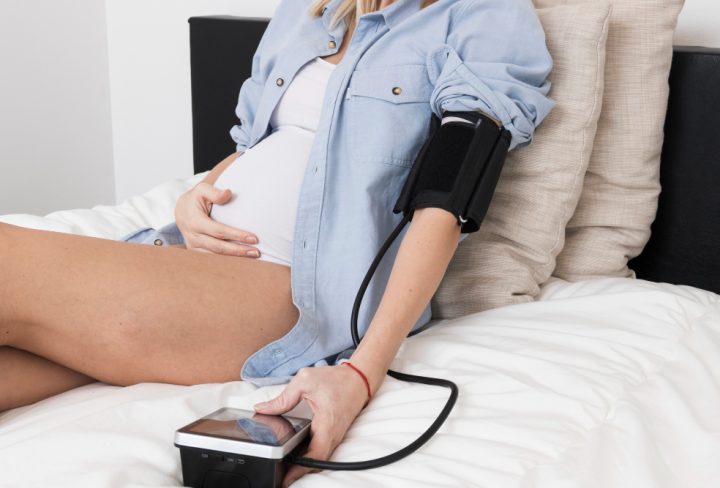
Preeclampsia is a serious condition that can develop during pregnancy. It usually happens after the 20th week. Many women may not notice early signs. However, preeclampsia can affect both the mother and the baby. Early detection and care are important. In this blog, you will learn about preeclampsia symptoms, causes, diagnosis, and prevention. Understanding these facts can help keep you and your baby safe.
What is Preeclampsia?
Preeclampsia is a health problem that occurs only during pregnancy. It causes high blood pressure and can damage organs, such as the liver and kidneys. Usually, it starts after the 20th week of pregnancy. Sometimes, it can happen earlier or after birth. If not treated, preeclampsia can lead to serious problems for both mother and baby. According to the World Health Organization (WHO), preeclampsia affects about 2–8% of pregnancies worldwide.
Common Symptoms of Preeclampsia
Many women with preeclampsia do not feel sick at first. Still, some signs can help you spot the condition early. Watch for these symptoms:
However, some swelling is normal in pregnancy. If you notice these symptoms, talk to your doctor right away. Early action can prevent problems.
Causes and Risk Factors
Doctors do not know the exact cause of preeclampsia. Still, several factors can raise your risk. For example, you may be more likely to get preeclampsia if you:
Because some risks cannot be changed, regular checkups are important. Your doctor can help you manage these risks.
How Preeclampsia is Diagnosed
Doctors use several steps to diagnose preeclampsia. First, they check your blood pressure at every visit. If your blood pressure is high, they may look for other signs. For example, they may test your urine for protein. Too much protein in urine can be a sign of preeclampsia. Blood tests may also check your liver and kidney function. Sometimes, doctors use ultrasound to check the baby’s growth. Early diagnosis helps protect both mother and baby.
Treatment Options
Treatment for preeclampsia depends on how severe it is and how far along you are in pregnancy. Your doctor may suggest:
Although there is no cure except delivery, careful monitoring can help manage the condition. Your doctor will decide the best plan for you and your baby.
Prevention and Lifestyle Tips
While you cannot always prevent preeclampsia, some steps may lower your risk. Consider these tips:
In addition, managing health conditions like diabetes or high blood pressure can help. Always talk to your doctor before making changes.
When to Seek Medical Help
If you notice signs of preeclampsia, seek medical help right away. For example, call your doctor if you have:
Quick action can save lives. Never ignore these symptoms during pregnancy.
Conclusion
Preeclampsia is a serious but manageable condition. Early detection and care are key. If you have concerns, consult a healthcare professional for personalized advice on preeclampsia.