What Is Hypertension?
Hypertension, also called high blood pressure, is a common health problem. It means the force of blood against your artery walls is too high. Over time, this can damage your heart and other organs. According to the World Health Organization (WHO), hypertension affects over one billion people worldwide. Early detection and good management are important for your health.
Causes and Risk Factors of Hypertension
Many things can cause hypertension. Sometimes, the cause is not clear. However, several risk factors make it more likely to develop high blood pressure. Understanding these can help you lower your risk.
For some people, certain medicines or health problems can also raise blood pressure.
Common Symptoms of Hypertension
Often, hypertension does not cause clear symptoms. Because of this, it is sometimes called a “silent killer.” Still, some people may notice signs when blood pressure is very high. These can include:
If you have any of these symptoms, you should see a doctor right away. But remember, most people with hypertension feel fine.
How Is Hypertension Diagnosed?
Doctors diagnose hypertension by measuring your blood pressure. Usually, they use a cuff on your arm. Blood pressure is given as two numbers, such as 120/80 mmHg. The first number is the pressure when your heart beats. The second is when your heart rests. According to the CDC, a reading of 130/80 mmHg or higher is considered hypertension.
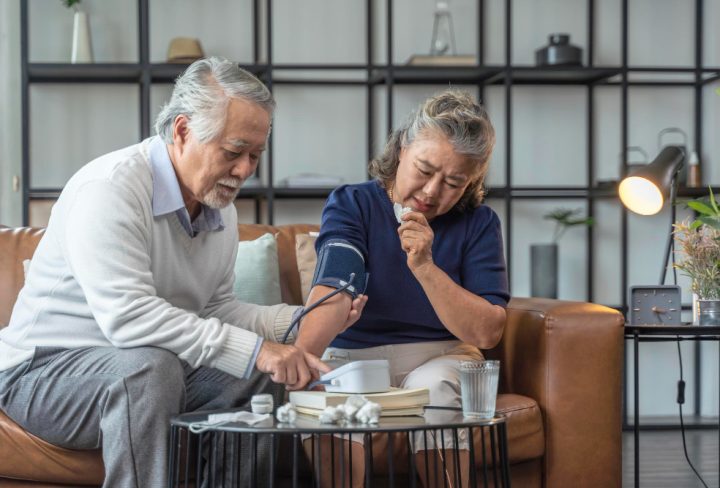
Sometimes, your doctor may ask you to check your blood pressure at home. This helps see if it stays high over time. In some cases, more tests are needed to check for organ damage or other health problems.
Hypertension Treatment Options
Managing hypertension is important for your health. Treatment often starts with lifestyle changes. If needed, your doctor may also prescribe medicine. Here are common ways to manage high blood pressure:
Lifestyle Changes
Medications
With the right plan, most people can control their blood pressure well.
Lifestyle and Prevention Tips
Even if you do not have hypertension, you can take steps to lower your risk. These healthy habits can help:
For people living in cities or areas with high stress, finding time to relax is also important. Small changes can make a big difference over time.
The Importance of Regular Monitoring
Because hypertension often has no symptoms, regular blood pressure checks are key. Early detection helps prevent serious problems like heart attack or stroke. You can check your blood pressure at home or at a clinic. Always share your readings with your doctor. This helps them adjust your treatment if needed.
When to See a Doctor
If you have high blood pressure or notice symptoms, talk to a healthcare professional. They can help you find the best plan for your needs. Remember, managing hypertension is a lifelong process. With the right care, you can protect your health and live well.
Consult a healthcare professional for personalized advice on managing hypertension.